Freedom to breathe

Helping patients breathe on their own again

Why Breathing Can Become Difficult in the ICU

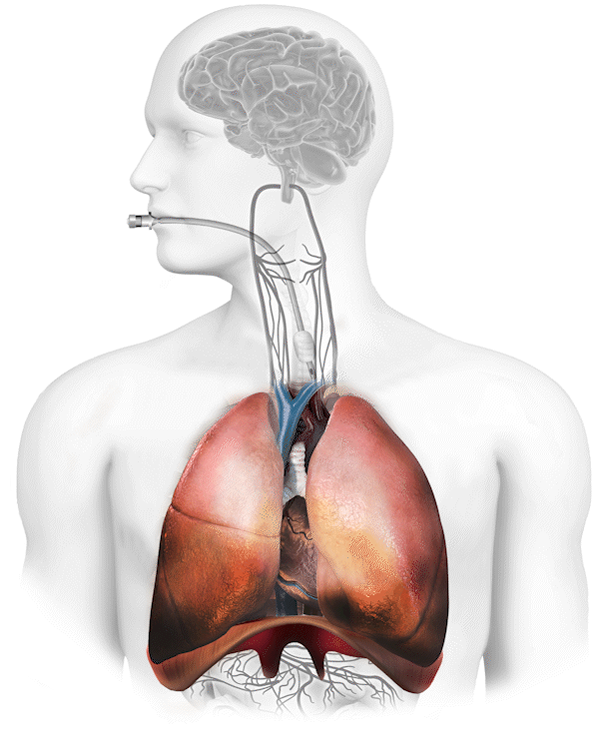
When someone is on a ventilator (breathing machine) for many days: 

  • The diaphragm (breathing muscle) can weaken.
  • The body may “forget” how to breathe on its own.
  • Getting off the ventilator can take longer than expected.
Ventilator

Diaphragm muscle can weaken by 50%
within only one day on ventilation1

About AeroPace

A New Option for Difficult-to-Wean Patients

AeroPace® is a temporary therapy that helps weak breathing
muscles recover so patients can come off the ventilator sooner.

Every patient is different, but many experience:

icon_less-reliance

Less Reliance on
the Ventilator

icon_less-time

Less Time on the
Ventilator

AeroPace is:

icon_closely-monitored

Closely
Monitored

Adjusted by the
Care Team

icon_stopped-once-no-longer-needed

Stopped Once It’s
No Longer Needed

Therapy sessions occur twice per day.

Each session lasts about 10 minutes.

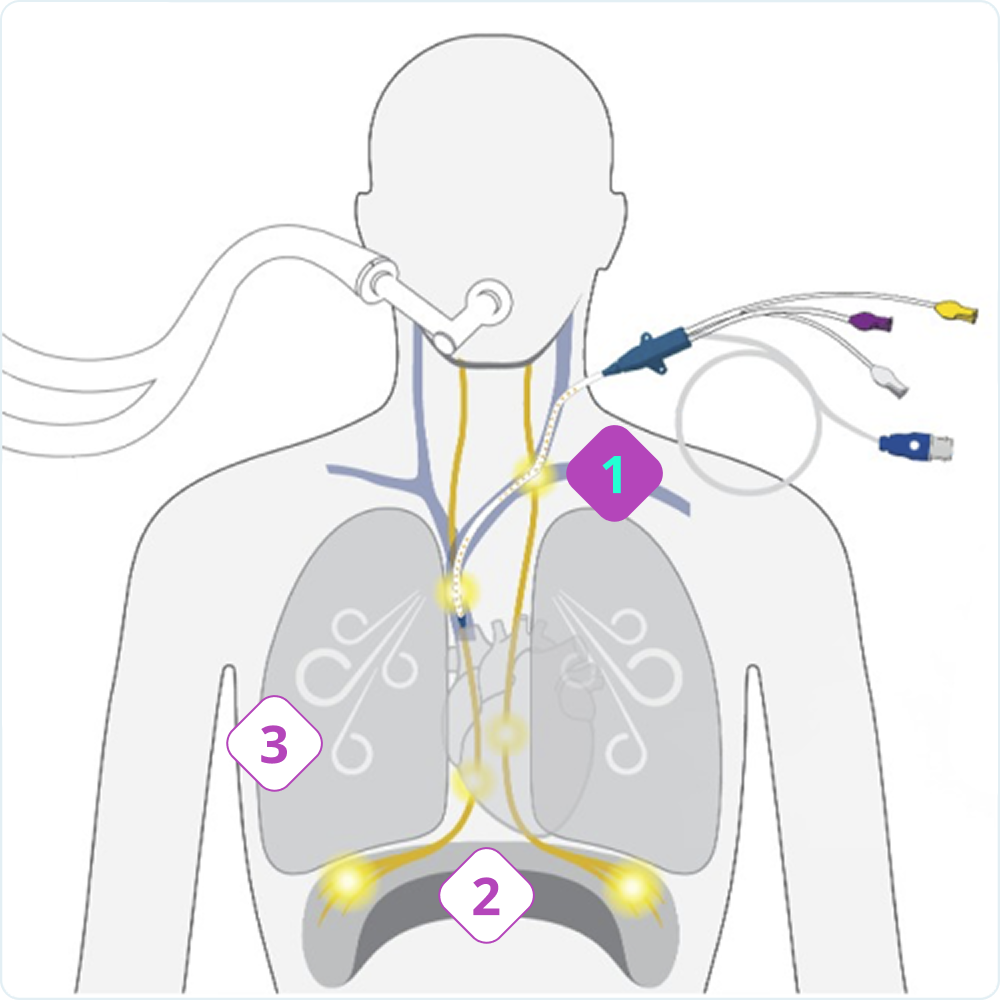
1. Small electrical signals are sent through the nerves that control breathing.

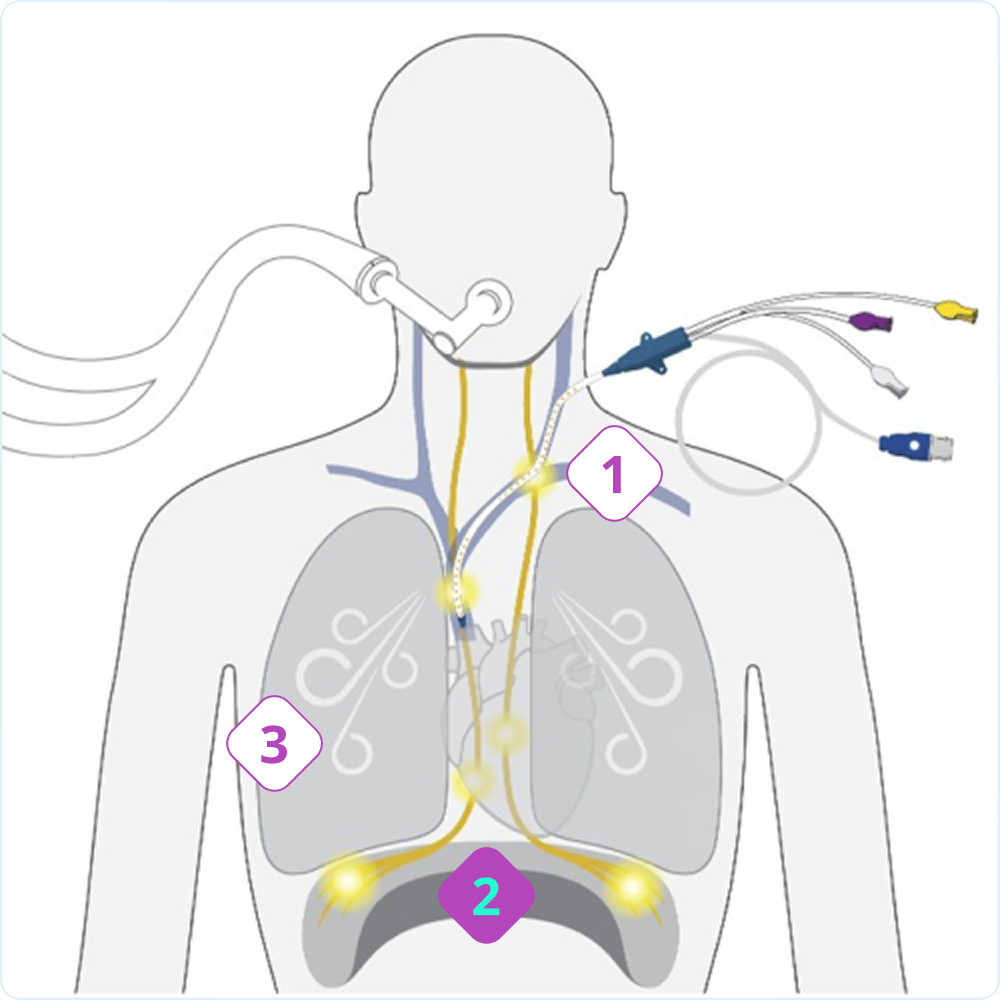
2. The diaphragm contracts in time with the ventilator to support breathing strength.

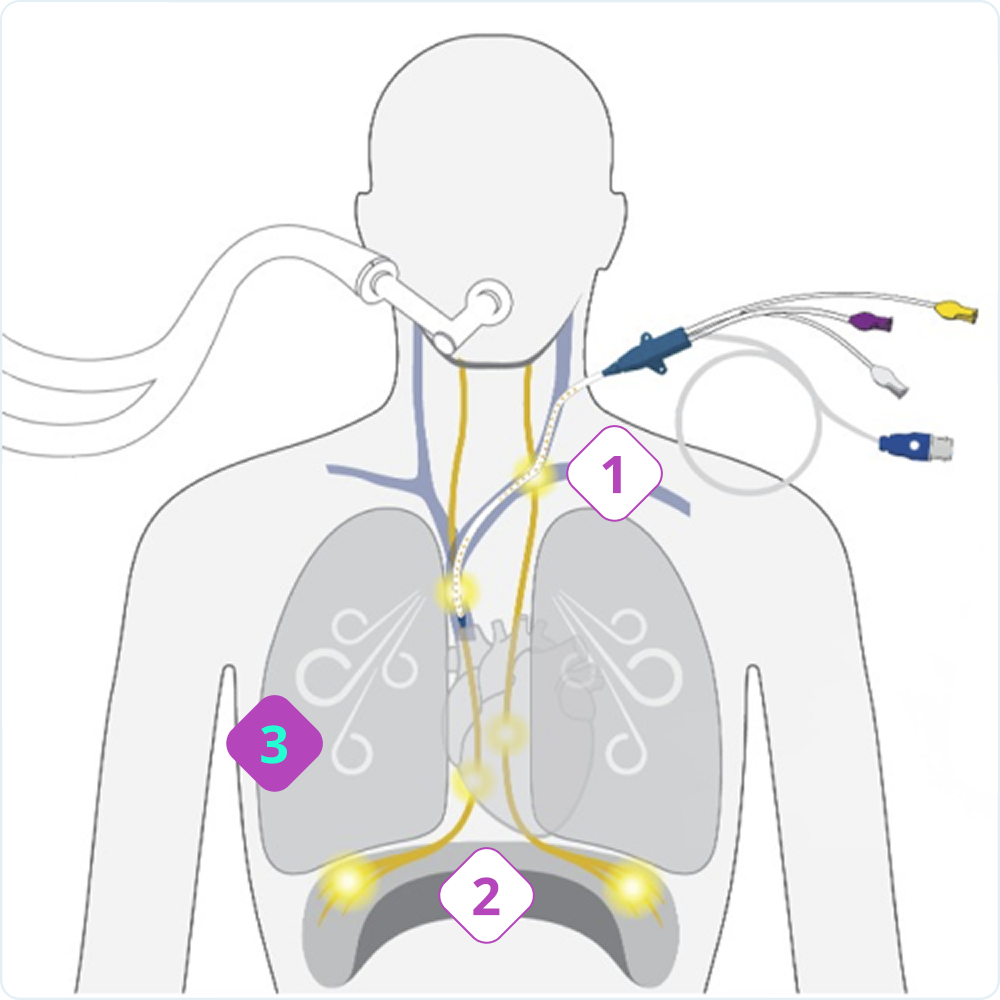
3. Diaphragm strength is restored to support transition off the ventilator.

Interactive-Diagram-1
Interactive-Diagram-2
Interactive-Diagram-3

Talk to your care team to learn if AeroPace may be an option.

Clinical Trial Evidence

Clinical trial results2 show that patients with AeroPace, compared to patients with only standard ICU care, had:

43%

Faster weaning from the ventilator

3.2

Fewer days on 
the ventilator

97%

Of patients would
recommend AeroPace

Frequently Asked Questions (FAQs)

What Families Often Ask

Is AeroPace permanent?
No. AeroPace is temporary and removed once breathing improves.
Is it painful?
AeroPace sends small electrical pulses through nerves that control the diaphragm (the primary breathing muscle), and is well-tolerated by patients. Patients are closely monitored during sessions, and doctors can adjust the stimulation levels.
Who decides if AeroPace is right?
Based on your loved one’s condition, the ICU care team may recommend AeroPace and it is your joint decision with the care team to choose whether or not to use it.
How often is it “on”?
AeroPace activates the diaphragm (breathing muscle) for only two sessions per day of 60 diaphragm activations per session. These sessions last about 10 minutes each.

Talk to your care team to learn if
AeroPace may be an option.

References:

1. Levine, S. (2008) NEJM; 358(13): 1327-1355. doi: 10.1056/NEJMoa070447; Dres, M. (2017) Am J Respir Crit Care Med; 195(1): 57-66. doi: 10.1164/rccm.201602-0367OC
2. Dres, M. (2025) Am J Resp Crit Care Med:. doi: 10.1164/rccm.202505-1056OC – Per-protocol (>50% of required stimulations) data for the AeroPace group relative to the Control group.

Who is the AeroPace System for?
The AeroPace System is indicated to improve weaning success – increase weaning, reduce ventilator days, and reduce reintubation – in patients ages 18 years or older on mechanical ventilation ≥ 96 hours and who have not weaned.

Do not use the AeroPace System with active implanted cardiac pacemakers, defibrillators, or other implantable electronics within proximity to the AeroPace Neurostimulation Catheter. The AeroPace System has not been clinically evaluated for safety with these implantable electronic devices.