
Lungpacer News & Media
Stay up to date with the latest breakthroughs,
research, and company milestones
Lungpacer Press Release
Lungpacer Medical Nominated for 2026 Prix Galien USA Award for Best Medical Technology
Nomination by the Prix Galien Foundation recognizes the AeroPace® System, the first FDA-approved diaphragm neurostimulation therapy to help critically ill patients breathe on their own again.
Read The Article
Lungpacer News
Health-Economic Value of Transvenous Diaphragm Neurostimulation in Ventilator Weaning
Read The Article
Lungpacer Press Release
Lungpacer Announces Health Economic Analysis Demonstrating Clinical and Cost Benefits of AeroPace in Mechanically Ventilated Patients
Read The Article
Lungpacer Press Release
Lungpacer Announces New Category III CPT® Codes for AeroPace® Diaphragm Neurostimulation Therapy
Read The Article
Sort by:

Lungpacer Medical Nominated for 2026 Prix Galien USA Award for Best Medical Technology
August 18, 2026
Press Release

Health-Economic Value of Transvenous Diaphragm Neurostimulation in Ventilator Weaning
July 29, 2026
News

Lungpacer Announces Health Economic Analysis Demonstrating Clinical and Cost Benefits of AeroPace in Mechanically Ventilated Patients
July 28, 2026
Press Release

Lungpacer Announces New Category III CPT<sup>®</sup> Codes for AeroPace<sup>®</sup> Diaphragm Neurostimulation Therapy
July 21, 2026
Press Release

Lungpacer Medical Appoints Steven Pfanstiel as Chief Financial Officer
June 1, 2026
Press Release

Lungpacer Achieves Commercial Milestone as Leading U.S. Hospital Performs First AeroPace<sup>®</sup> Procedures to Help Patients Liberate from Mechanical Ventilation
December 8, 2025
Press Release
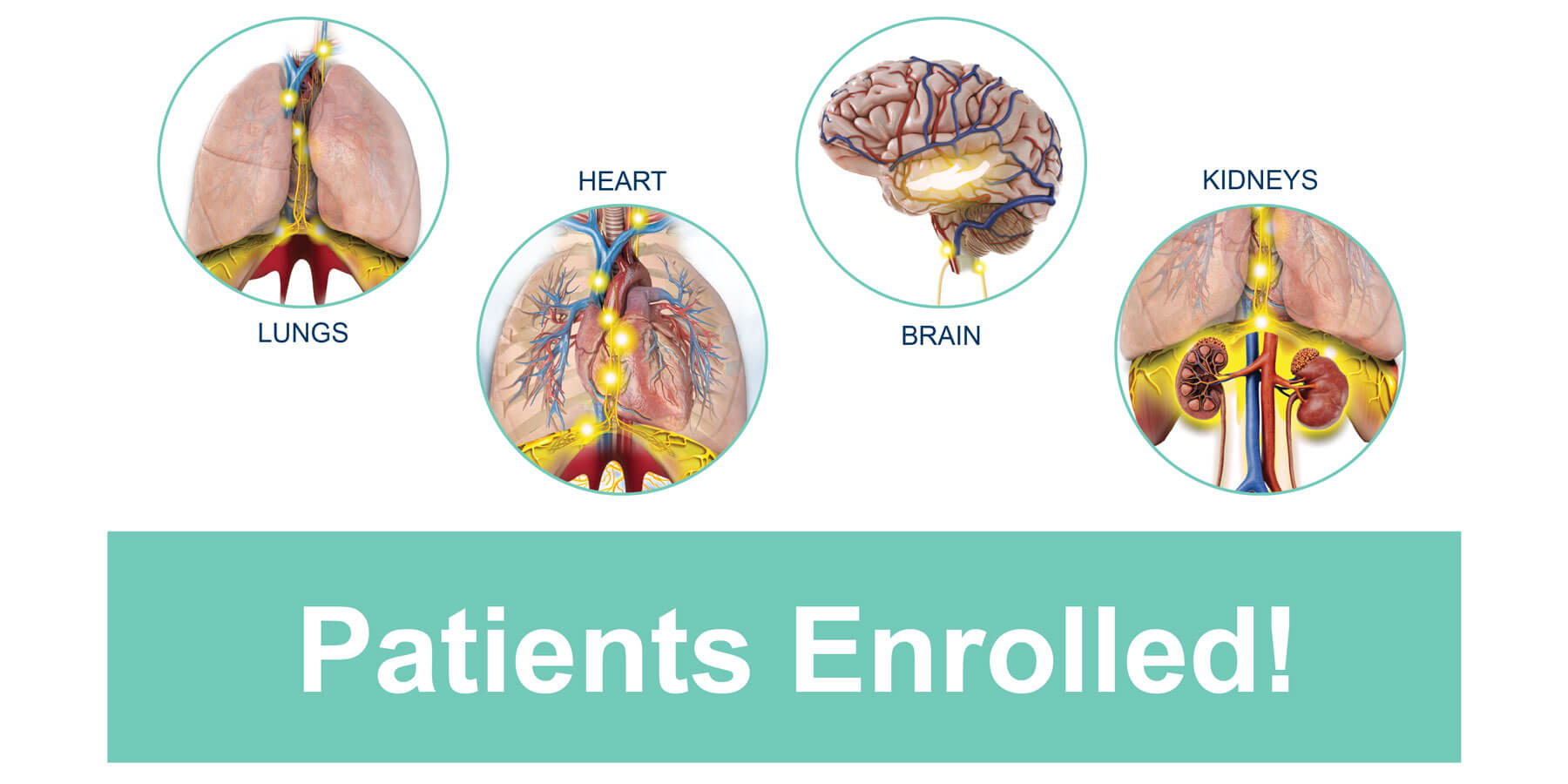
Lungpacer Medical Announces First Enrollments in STARI Trial of Next-Generation Neurostimulation Therapy
November 4, 2025
Press Release

Lungpacer Announces CMS NTAP Approval for AeroPace<sup>®</sup> System in FY2026 IPPS Final Rule
August 14, 2025
Press Release

American Journal of Respiratory and Critical Care Medicine Publishes Landmark Data on AeroPace<sup>®</sup> System’s Breakthrough Results in Ventilator Weaning
June 12, 2025
Press Release