
Turning clinical evidence into patient recovery
AeroPace® provides important clinical benefits versus standard-of-care1
From Atrophy to Recovery
43%
Faster weaning from mechanical ventilation (MV) over 30 days
3.2
Fewer days on MV in ICU
74%
Greater diaphragm strength (MIP)
96%
Greater breathing efficiency (RSBI)
47%
Lower risk of reintubation or reconnection
50%
Lower risk of tracheostomy after initiation
32%
Lower risk of mortality
0
Low risk of infection (zero CLABSI)
AeroPace Evidence In Action
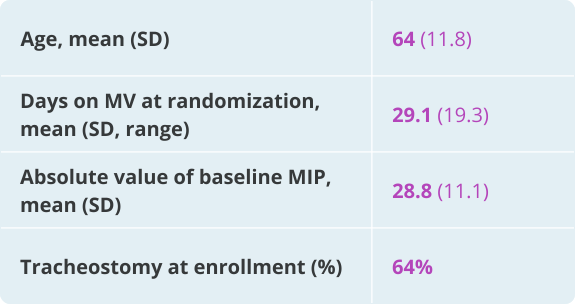
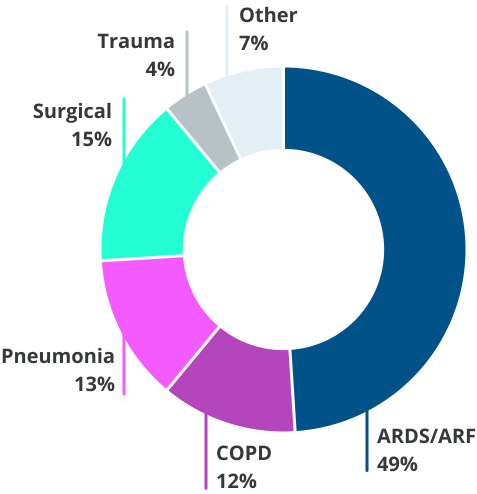
The RESCUE-3 randomized controlled trial (RCT) was performed in a diverse, difficult to wean population with prolonged mechanical ventilation and marked diaphragm atrophy.
Results That Move Patients Off The Vent—Sooner
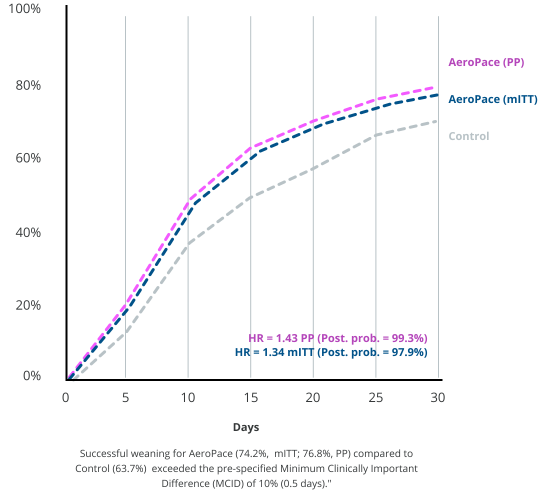
43%
Faster weaning from MV
over 30 days
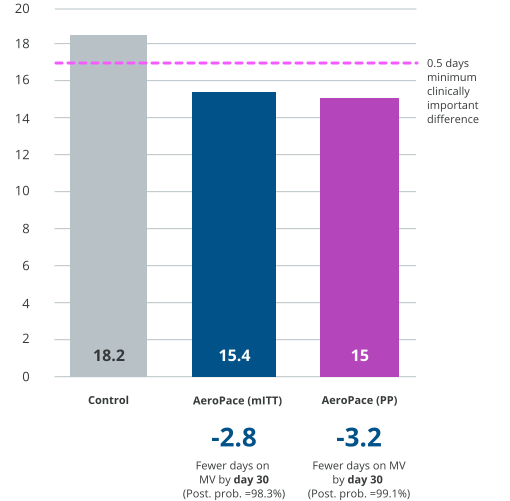
3.2
Fewer days on MV
in ICU
Meaningful Improvement in Diaphragm Strength and Breathing Efficiency
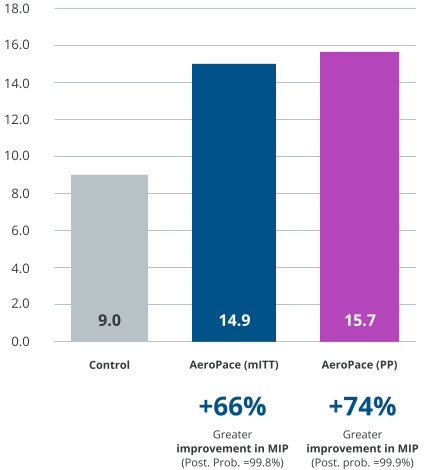
74%
Improvement in diaphragm strength (MIP change from baseline)
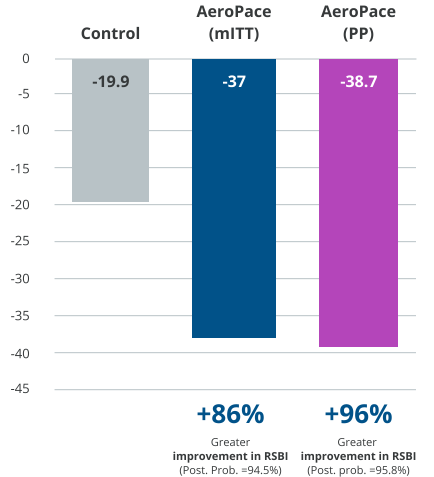
96%
Improvement in breathing efficiency (RSBI change from baseline)
Patients Treated with AeroPace Experienced
Additional Likely Clinical Benefits
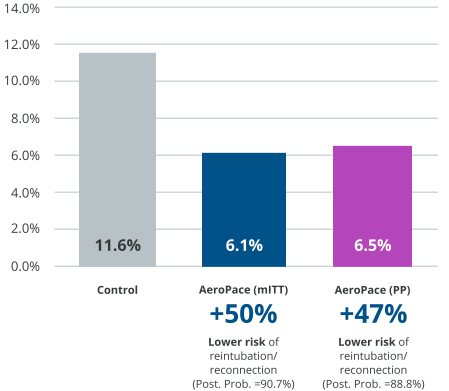
47%
Lower risk of reintubation after weaning
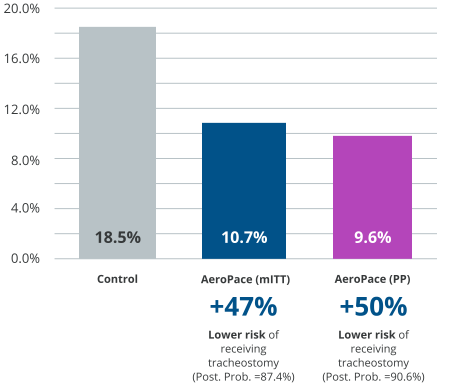
50%
Lower risk of tracheostomy after initiation
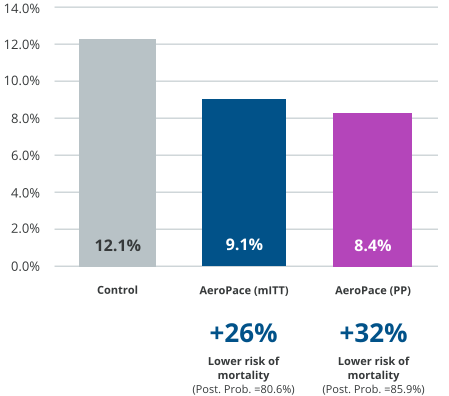
32%
Lower risk of mortality
Strong Safety Profile
Infection risk similar to standard CVCs based on contemporary literature3,4
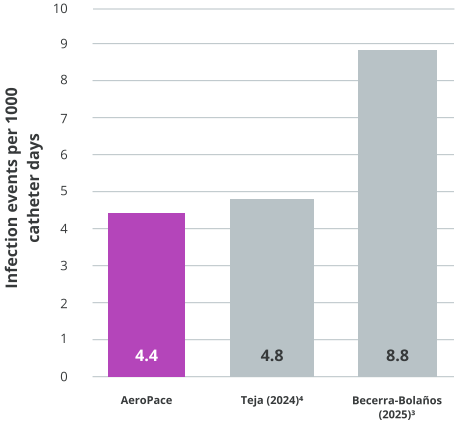
0
Reported
CLABSI
- Safety profile for AeroPace patients in RESCUE-3 was inline with standard central venous catheters (CVCs)
- Reduction in MV days and trend towards survival benefit reinforce strong safety profile
97%
of patients in RESCUE-3 trial would recommend AeroPace2
Explore Higher Weaning Success and Reduced Days on Ventilation Backed by:
103
Scientific Abstracts / Presentations
31
Peer Reviewed Publications
400+
Patients
Studied
2+
Randomized
Clinical Trials
References:
1. Dres, M. (2025) Am J Resp Crit Care Med: doi: 10.1164/rccm.202505-1056OC; Modified intention to treat (mTT) and per-protocol (PP; >50% of required stimulations) data for the AeroPace group relative to the standard-of-care group. In most clinical trial applications, a posterior probability greater than 95% or 97.5% is considered a strong indication of success.
2. Pu, H. (2023) BMC Pulm Med 2023 Sep 13;23(1):343. doi: doi.org/10.1186/s12890-023-02633-y
3. Becerra-Bolaños, A. (2025) Sci Rep; 15(1): 1642. doi: 10.1038/s41598-025-85836-z;
4. Teja, B. (2024) JAMA Intern Med.; 184(5): 474-482. doi:10.1001/jamainternmed.2023.8232.